
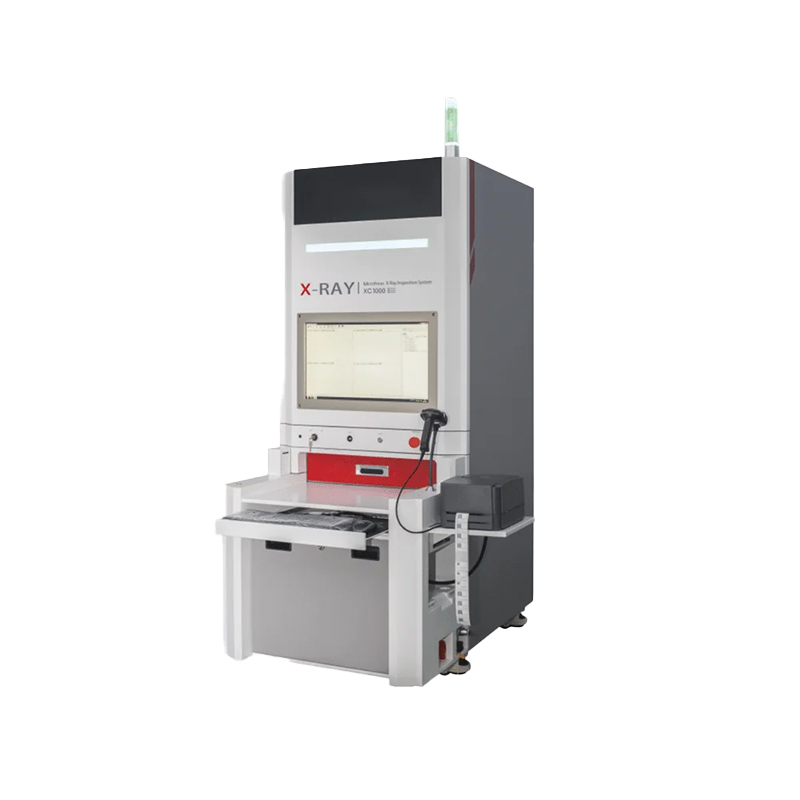
The SMT First Article Inspection (FAI) Tester is Non-Negotiable for High-Reliability PCBA
The SMT First Article Inspection (FAI) Tester is Non-Negotiable for High-Reliability PCBA
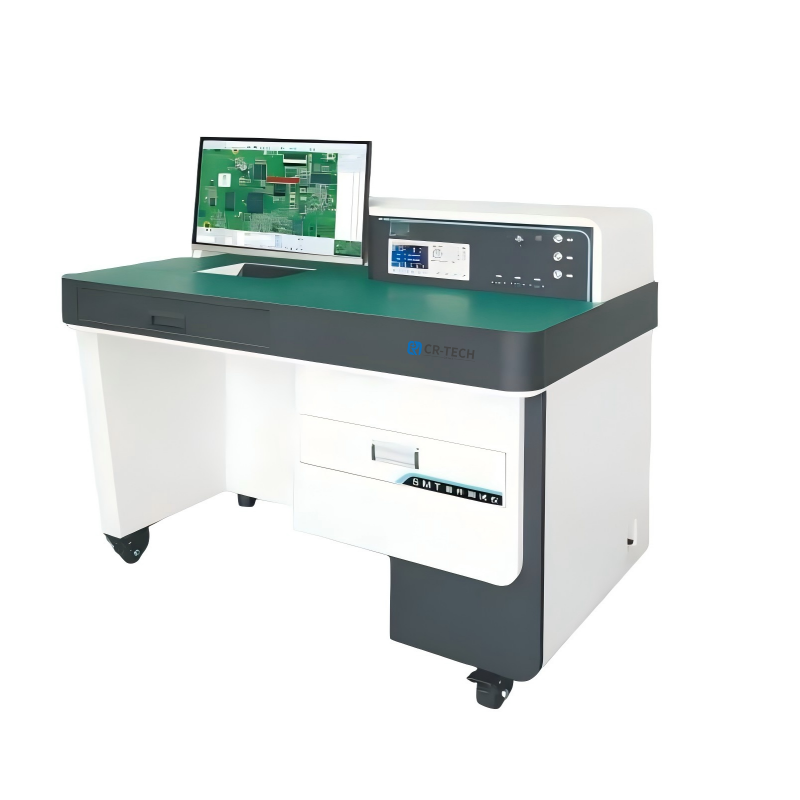
In the world of Surface Mount Technology (SMT), speed and precision are locked in a constant balancing act. As component pitches shrink to 01005 and board densities increase, a single misplaced resistor or capacitor can transform a high-value PCBA into costly scrap. This is where the SMT First Article Inspection (FAI) Tester transitions from a "quality tool" to a "profit guardian."
If you are managing PCBA manufacturing for automotive, medical, or aerospace sectors, here is why the FAI tester is the most critical machine on your floor after your pick-and-place line.
Traditional manual inspection using a magnifying glass and a BOM (Bill of Materials) sheet is archaic for today’s boards. A human inspector checking a 500-component board will statistically miss 2-5% of defects, typically polarity or value mismatches. An SMT FAI tester, utilizing Computer Vision and component measurement databases, cross-references every single component against the original CAD and Gerber data. It finds the reversed diode or the wrong resistance value before the reflow oven turns a repair job into a throwaway job.
The most dangerous defects are those that look correct but function wrong. For example:
Wrong tolerance capacitors (X5R vs. X7R) look identical but fail thermally.
Counterfeit ICs often pass visual checks but have different internal architectures.
The FAI tester measures passive component values (LCR) and verifies IC markings and pin orientation digitally. By catching these "invisible" errors before reflow, you save the PCB from thermal stress and avoid the nightmare of field returns.
Data from IPC (Association Connecting Electronics Industries) suggests that a defect caught at the FAI stage costs 10. If it escapes to the field? $100+ (warranty, shipping, brand reputation). An SMT FAI tester is not an expense; it is a risk transfer mechanism. It pushes detection left, saving thousands of dollars per production run.
For clients in medical devices or automotive (IATF 16949), traceability is not optional. You cannot ship a PCBA for a heart monitor or an airbag module without proving every component was verified. The FAI tester automatically generates a digital "Birth Certificate" for the first board. This report includes:
Component measurements (Resistance/Capacitance).
Polarity verification.
Lead coplanarity data.
Timestamped operator logs.
Having this data during a customer audit transforms a hostile "Prove it" into a confident "Here is the evidence."
In contract manufacturing (CM), speed to market wins contracts. During NPI, the first PCBA is the most dangerous. Engineers are adjusting feeder setups, verifying stencil apertures, and confirming polarity. An FAI tester reduces NPI validation from 4 hours (manual) to 20 minutes. You can run a full component comparison, highlight the 3 misplaced parts, rework them, and immediately release the line for mass production. That speed keeps your SMT lines profitable, not waiting on QA.
A common complaint about older testers is "false alarms." Modern SMT FAI testers use Intelligent Learning Algorithms. They can distinguish between a dirty lens, a shadow from a tall connector, and an actual tombstone component. This reduces operator fatigue. Instead of chasing ghosts, your QA team focuses only on real anomalies—component skew, missing parts, or wrong solder paste deposits.
Here is a secret most machine operators overlook: The FAI tester doubles as a process feedback tool. If the tester consistently flags "shifted X-position" on a 0.4mm pitch QFP, it isn't just a board error; it’s telling you that your feeder bank alignment or PCB fiducial recognition is drifting. You can take that data, adjust the placement machine, and prevent the next 1,000 boards from failing.
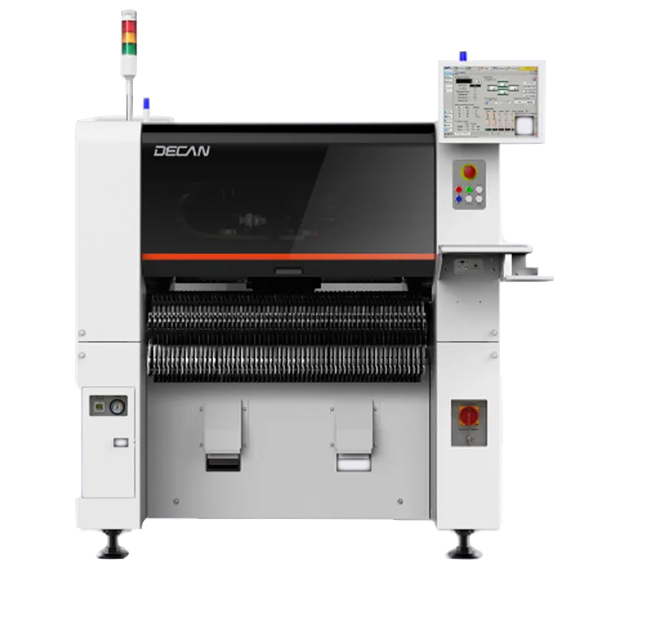
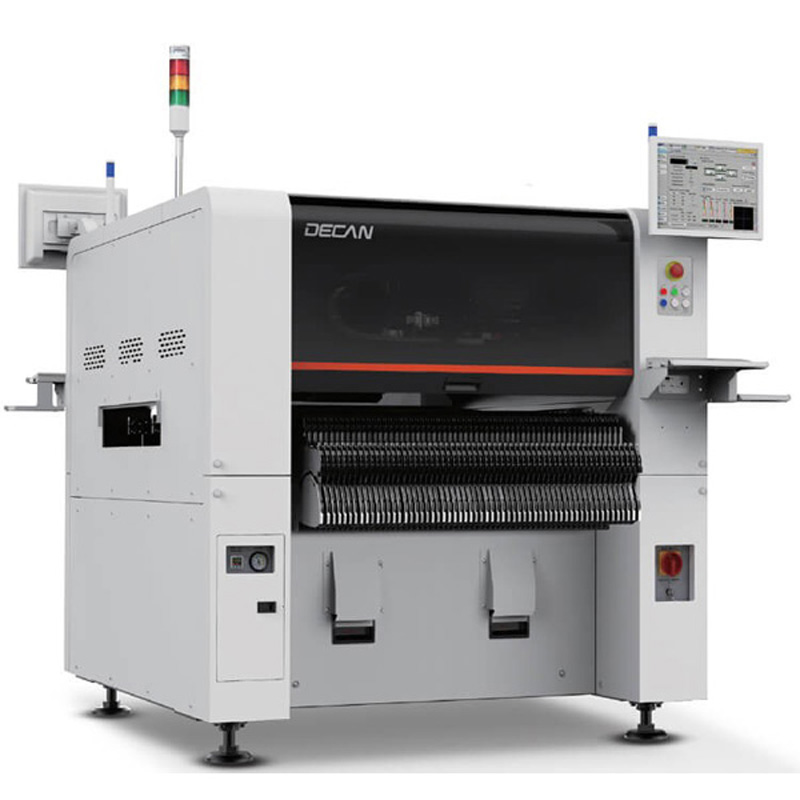
The SMT line is a high-speed symphony. The pick-and-place machine places 30,000 CPH, but if the first board is wrong, the rest are scrap. The SMT First Article Inspection Tester is your low-volume, high-impact insurance policy.
For a CEM looking to reduce DPMO (Defects Per Million Opportunities) below 50, the FAI tester isn't a luxury—it is the gatekeeper between "good enough" and "mission critical."
Call to Action: Are you still using a microscope for your first article? It is time to digitize your PCBA quality control. Contact us to see how our optical + LCR FAI tester can pay for itself in your next 3 NPI runs.
1. Eliminating the "Needle in a Haystack" Human Error
2. Protecting the Reflow Oven from "Invisible" Killers
3. The Economic Argument: Cost of Escape vs. Cost of Test
4. Traceability & Compliance (ISO 13485 / IATF 16949)
5. Shortening the NPI (New Product Introduction) Cycle
6. False Calls vs. Real Defects: Smart Filtering
7. Data-Driven Process Feedback
Conclusion: Your PCBA is Only as Strong as Your First Board