
SMT Line Solution Provider
How a LED Manufacturer Boosted Yield to 98.5% with a Fully Automated SMT Assembly Line
Industry: Consumer Electronics / Industrial Lighting
Region: Southeast Asia / Middle East
Key Focus: High-Mix, High-Volume Production
The Client’s Challenge: Bottlenecks in Manual Assembly
A leading lighting manufacturer was struggling to keep up with the post-pandemic surge in demand for smart LED products. Their existing semi-automatic production line faced three major pain points:
-
Inconsistent Quality: Manual solder paste printing led to tombstoning and misalignments, resulting in a 15% rework rate.
-
Labor Dependency: With rising labor costs, relying on manual pick-and-place operators became unsustainable.
-
Production Bottlenecks: The existing setup could not handle complex PCBs (400x300mm) required for high-end industrial drivers.
They needed a One-Stop SMT Solution to transition from manual assembly to Industry 4.0 standards.
The Solution: A Tailored High-Speed SMT Line
We provided a Turnkey SMT Line tailored for high-mix, high-precision LED assembly. The solution prioritized speed for chip components and accuracy for large drivers.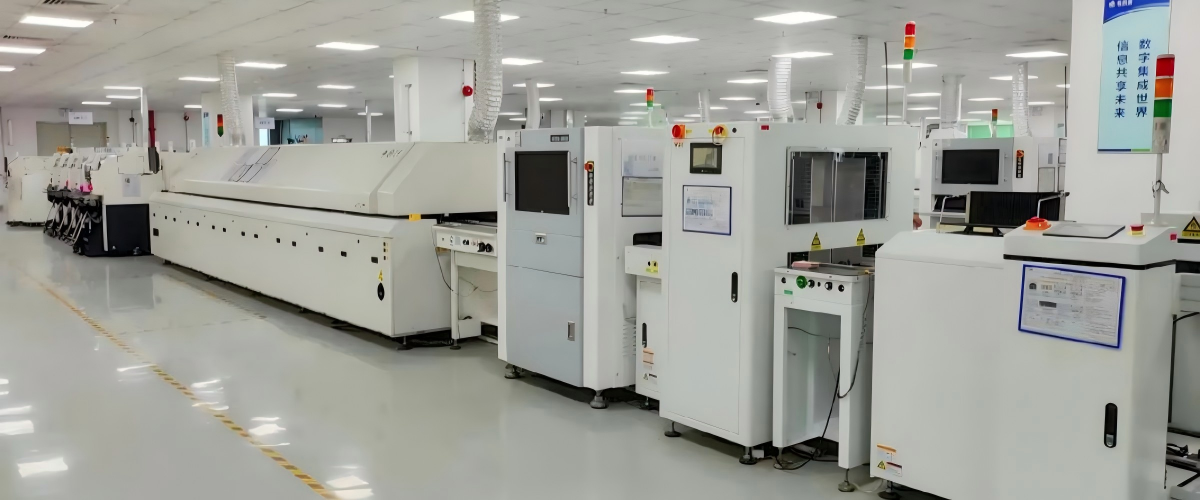
Equipment Configuration
| Stage | Equipment Model | Function/Benefit |
|---|---|---|
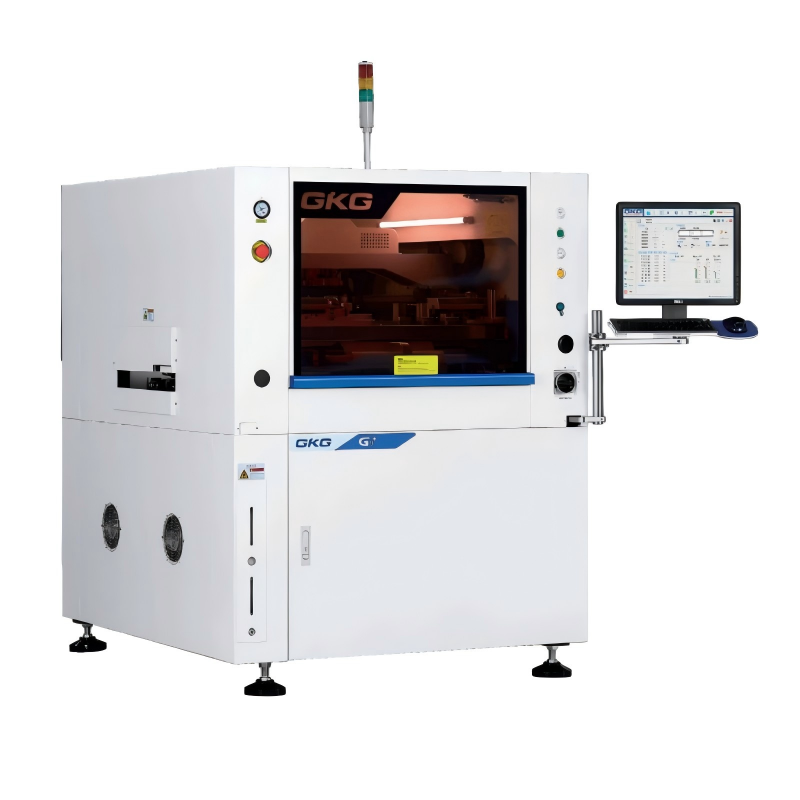
| Printing | High-Precision Solder Printer | ±0.025mm alignment for fine-pitch LED pads; eliminated solder bridging. |
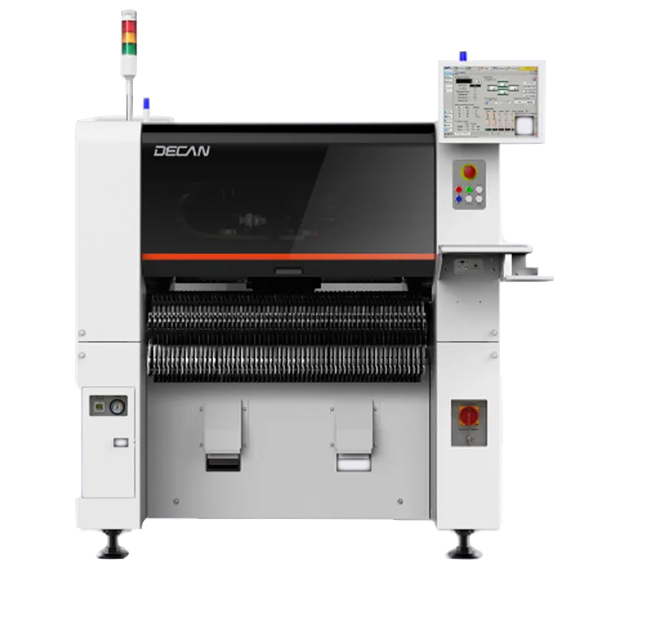
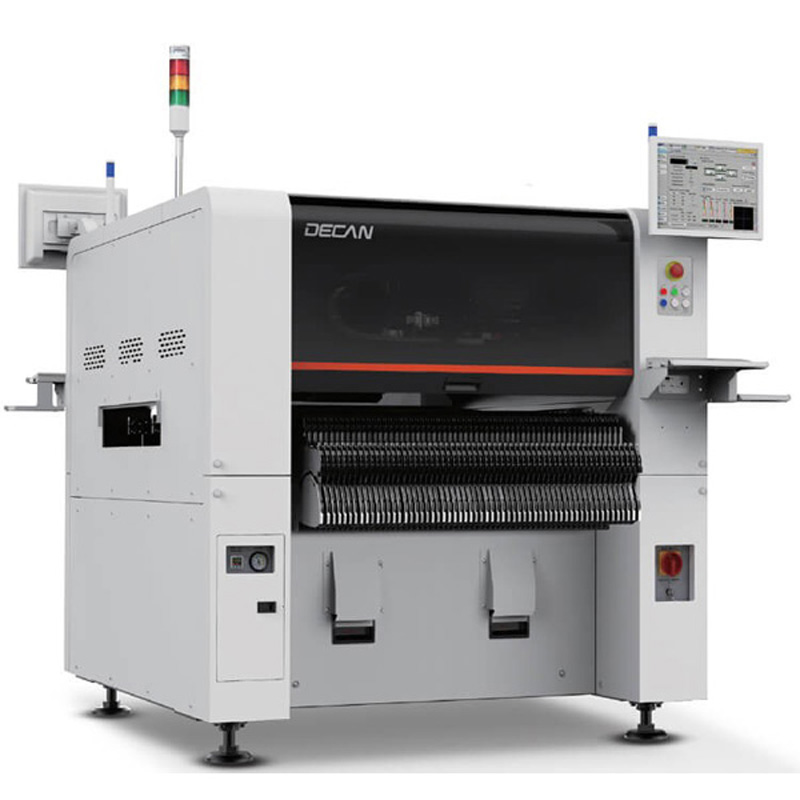
| Placement | High-Speed Pick & Place Machine | 45,000 CPH; reduced changeover time to just 5 mins for frequent product changeovers. |
| Soldering | 10-Zone N2 Reflow Oven | Nitrogen atmosphere; eliminated oxidation (Golden LED appearance), reduced defects by 30%. |
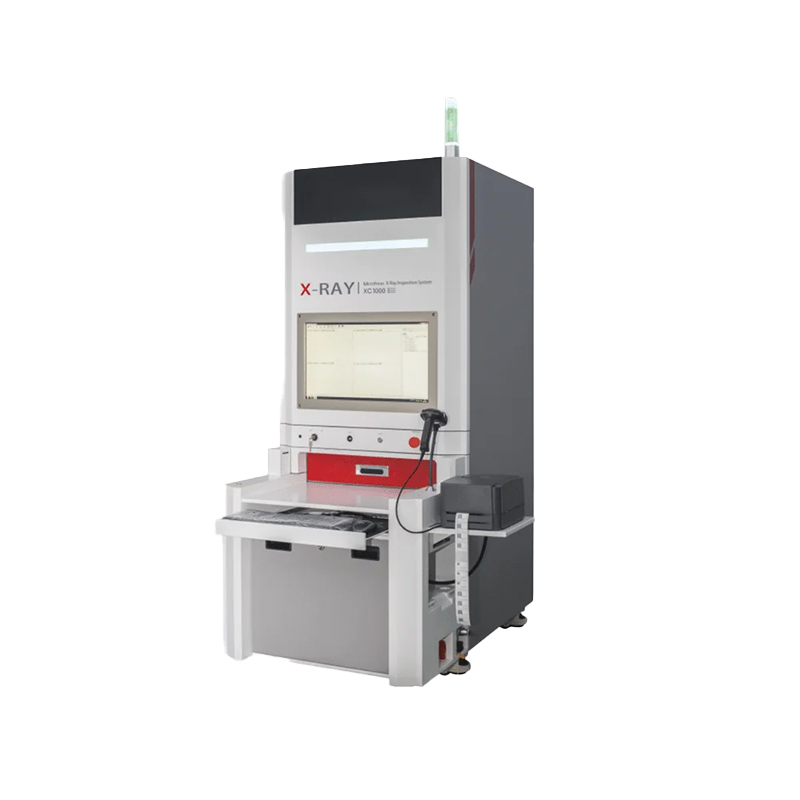
| Inspection | 3D AOI & SPI | Real-time closed-loop feedback; instant correction of printing errors. |
| Conveying | Smart PCB Conveyor System | SMEMA standard; zero-latency transfer between modules. |
Key Features of the Solution
-
Integrated Software: Closed-loop feedback between SPI and Printer (auto-clean/auto-adjust).
-
Smart Feeder: Intelligent electric feeders reduced setup errors by 90%.
The Implementation Process
We understand that downtime is costly. Our implementation strategy was "Plug-and-Produce" :
-
Layout Design: We re-designed their floor plan to reduce manual PCB transfer walking time by 50%.
-
Installation & Training: Our engineers completed installation and calibration in 72 hours, followed by a 3-day intensive training for operators.
-
Trial Run: We ran a 48-hour stress test using their actual LED strips to fine-tune the reflow profile.
The Results: Tangible ROI
Within 90 days of operation, the client reported transformative results:
-
Yield Increase: Overall yield improved from 85% to 98.5% , thanks to the SPI/AOI closed-loop system .
-
Efficiency Boost: Production output increased by 20% , from 5,000 units/day to 6,000 units/day without adding extra manpower .
-
Energy Savings: The N2 reflow oven’s insulation technology reduced power consumption by 15% .
-
Payback Period: The client achieved full ROI in less than 18 months .
"The technical support was exceptional. They didn't just sell us machines; they provided a complete process solution. Our clients from Europe are now impressed by our manufacturing transparency."
— Production Manager, Client Company
Why Choose Our SMT Solutions?
-
10 Years of Expertise: We understand the physics of soldering, not just the software.
-
True Turnkey Support: We offer global remote support and spare parts supply within 48 hours.
-
Scalability: From LED lighting to Automotive, our modular line grows with your business.